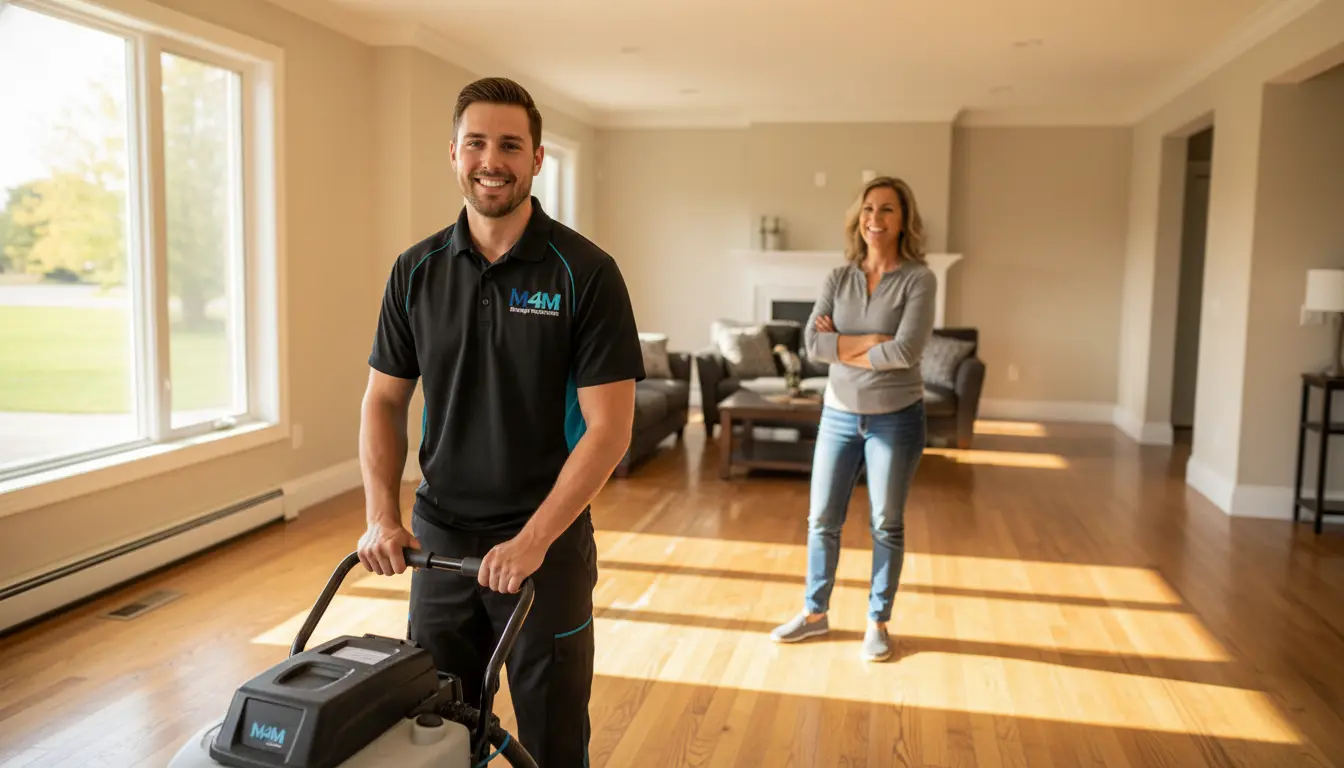
Water damage restoration refers to the process of returning a property to its pre-damaged state after suffering from water intrusion, which can be caused by various factors such as flooding, burst pipes, or leaks. It is essential to distinguish this process from simple drying or cleanup, as professional water damage restoration involves a comprehensive and scientifically-backed approach to mitigate further damage and prevent potential health hazards. In the context of Toronto, where freezing winter temperatures can lead to burst pipes and subsequent water damage, rapid and professional restoration is critical.
As a Certified Senior Water Damage Restoration Expert, it is crucial to emphasize the importance of prompt action in minimizing the risks associated with water damage, including structural compromise, mold growth, and electrical hazards. M4M Damage Restoration stands as a premier service provider in the area, equipped with the expertise and technology to tackle complex water damage scenarios efficiently. For instance, residents can refer to our guide on quick steps after a pipe burst in your Toronto home for immediate actions to take.
The process of water damage restoration is multifaceted and necessitates a thorough understanding of the underlying principles of psychrometry, moisture mapping, and structural drying. By leveraging tools such as thermal imaging cameras and penetrating moisture meters, professionals can accurately assess the extent of water damage and devise an effective strategy for restoration. Furthermore, the incorporation of advanced equipment like truck-mounted extractors and low-grain refrigerant (LGR) dehumidifiers enables the efficient removal of standing water and the control of ambient humidity, which is particularly crucial in Oakville due to its proximity to lake-effect humidity.
Technical Process
The technical process of water damage restoration commences with an initial hazard assessment, aimed at identifying potential risks such as electrical hazards, structural instability, and the presence of hazardous materials. This is followed by moisture mapping, which involves the use of specialized equipment to determine the extent and location of water damage. Standing water extraction is then undertaken, utilizing powerful extractors to remove bulk water from the affected area.
Structural drying is a critical component of the restoration process, involving the manipulation of temperature, humidity, and airflow to facilitate the evaporation of moisture from saturated materials. This process is often facilitated by the use of LGR dehumidifiers, which are capable of efficiently removing moisture from the air, thereby accelerating the drying process. Additionally, the process of basement flood restoration requires careful consideration of the unique challenges posed by below-grade spaces, including the potential for hidden moisture and the importance of thorough disinfection.
Dehumidification and Verification
Dehumidification plays a pivotal role in the water damage restoration process, as it enables the control of ambient humidity, which is essential for preventing further moisture-related damage. The final verification stage involves a thorough inspection of the restored property to ensure that all materials have been dried to acceptable moisture levels, and that no lingering hazards or damage remain. This stage may also involve the use of flood damage cleanup services to remove any debris or contaminated materials.
Data Comparison Table
When comparing the efficacy of professional applied structural drying versus DIY wet/dry vacuuming, several key metrics come into play. The following table highlights the differences in extraction efficiency, structural drying time, and mold prevention rate between these two approaches:
| Feature/Metric | Professional Applied Structural Drying | DIY Wet/Dry Vacuuming |
|---|---|---|
| Extraction Efficiency | 90-95% | 50-70% |
| Structural Drying Time | 3-5 days | 7-14 days |
| Mold Prevention Rate | 95-100% | 50-80% |
Source: IICRC S500 Reference Guide for Professional Water Damage Restoration
Expert Insights
As a seasoned expert in the field of water damage restoration, it is evident that immediate action is paramount in minimizing the risks associated with water intrusion. One of the most critical steps in the restoration process is the isolation of the water source, which prevents further water entry and subsequent damage. Additionally, understanding the 24-48 hour mold window is crucial, as it dictates the urgency of the restoration process and the potential for mold growth.
A common mistake property owners make is relying solely on surface drying while ignoring trapped moisture in wall cavities. This oversight can lead to dry rot, secondary microbial growth, or structural delamination, emphasizing the need for comprehensive and professional restoration services. For more information on preventing basement flooding, residents can visit our guide on how to prevent basement flooding in the GTA.
Pricing
The pricing structure for water damage restoration services can vary significantly depending on several factors, including the class of water destruction, the category of water contamination, and the presence of hazardous materials. Generally, pricing can be estimated on a per square foot basis, with costs ranging from $3 to $10 per square foot, depending on the complexity of the restoration. Emergency call-out parameters, such as after-hours service or Priority 1 responses, may also influence the final cost.
Factors that influence cost include the extent of water damage, the type of materials affected, and the need for specialized equipment or techniques. For instance, the presence of Category 3 water, which is highly contaminated and poses significant health risks, may necessitate the use of specialized personal protective equipment (PPE) and disinfection protocols, thereby increasing the overall cost of restoration.
Safety and Standards
Safety and adherence to industry standards are paramount in the water damage restoration process. Professionals must hold relevant certifications, such as the IICRC WRT/ASD, and adhere to strict safety protocols to minimize risks to themselves and occupants. The use of EPA-registered or Health Canada-approved antimicrobial and biocide treatments is also essential in preventing the growth of hazardous microorganisms.
FAQ Section
What is the typical cost of water damage restoration services?
The cost of water damage restoration services can vary widely depending on the extent of the damage, the type of materials affected, and the complexity of the restoration process. On average, costs can range from $1,000 to $10,000 or more, depending on the specific circumstances. It is essential to consult with a professional restoration service provider to obtain an accurate estimate for your specific situation.
How long does the water damage restoration process typically take?
The duration of the water damage restoration process can vary significantly, depending on the extent of the damage and the complexity of the restoration. Generally, the process can take anywhere from 3 to 14 days, with some cases requiring longer periods for complete drying and restoration. The use of advanced equipment and techniques, such as LGR dehumidification, can significantly accelerate the drying process, reducing the overall restoration time.
What are the risks associated with DIY water damage restoration?
Attempting to restore a water-damaged property without professional assistance can pose significant risks, including the potential for mold growth, structural compromise, and electrical hazards. Additionally, DIY restoration efforts may not address underlying issues, such as trapped moisture or contaminated materials, which can lead to further damage and health risks. It is highly recommended to consult with a professional restoration service provider to ensure a safe and effective restoration process.
Can water damage be prevented?
While some instances of water damage may be unavoidable, there are steps that can be taken to minimize the risk of water intrusion. Regular maintenance of plumbing and drainage systems, inspection of roofs and gutters, and the installation of flood-prevention devices can all contribute to reducing the likelihood of water damage. For more information on common causes of floods in Ontario, residents can visit our guide for tips on prevention and repair.
Professional Water Damage Restoration in Toronto
In conclusion, water damage restoration is a complex and multifaceted process that requires prompt action, specialized equipment, and a comprehensive understanding of the underlying principles of psychrometry, moisture mapping, and structural drying. As a premier service provider in Markham and the surrounding areas, M4M Damage Restoration is equipped to tackle even the most challenging water damage scenarios, providing rapid, efficient, and scientifically-backed restoration services to minimize risks and ensure a safe and healthy environment for occupants. For emergency water removal services, residents can visit our guide on top tips for emergency water removal in Toronto.
By choosing M4M Damage Restoration, property owners can trust that their water damage restoration needs are being met by a team of experts who are dedicated to providing the highest level of service, adhering to industry standards, and ensuring a safe and successful restoration process. Whether you are in Vaughan or Brampton, our team is ready to assist you with any water damage restoration needs.
For more information on our services, including flood damage cleanup and basement flood restoration, please visit our website or contact us today.