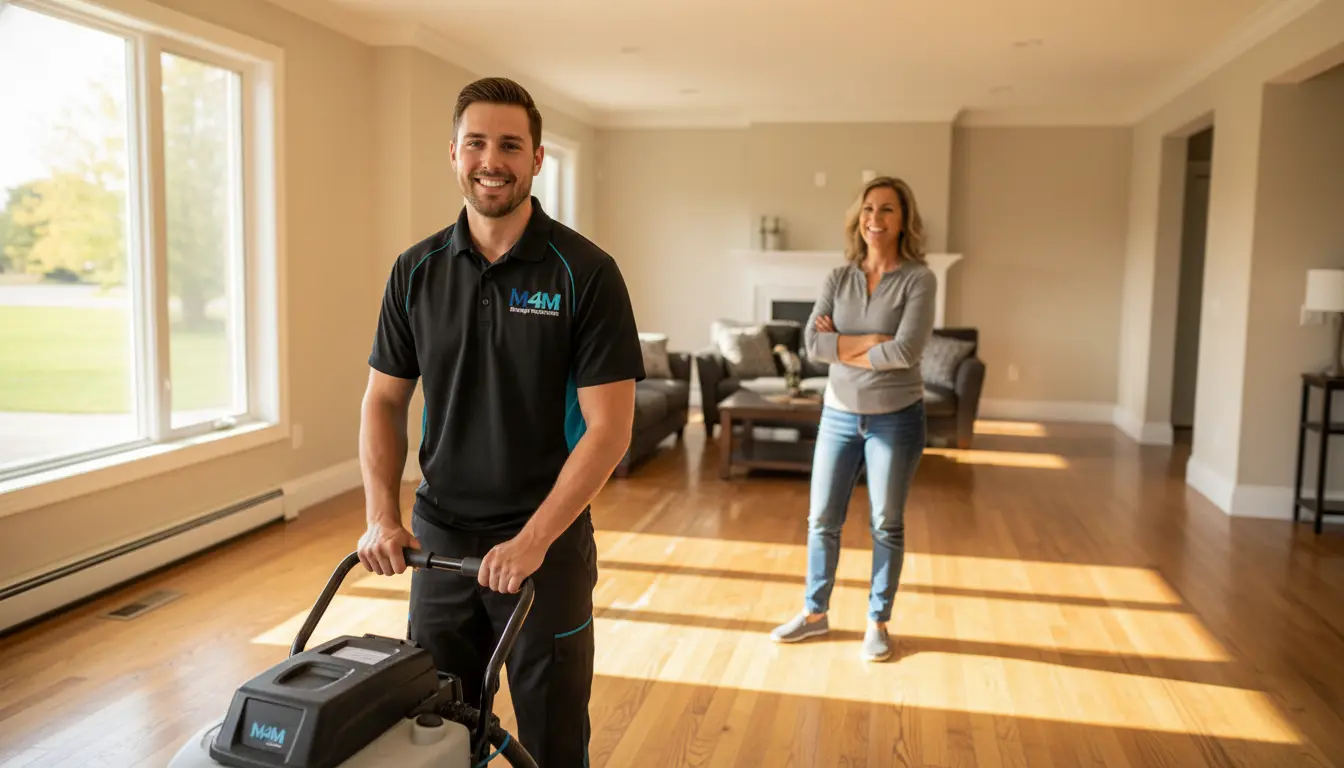
Imagine waking up in the middle of the night to the sound of rushing water and the feeling of icy cold air seeping into your bedroom. This was the reality for the Smiths, a family of four living in a cozy home in Toronto, when a frozen pipe burst in their attic, flooding their entire upstairs. With water pouring down through the ceiling and onto their furniture, they knew they needed to act fast to prevent further damage. That’s when they called M4M Damage Restoration, a trusted provider of 24/7 emergency damage restoration services near M4M.
The Smiths’ situation is not unique, as burst pipes and basement flooding are common issues in Toronto, particularly during the freezing winter months. In fact, according to the Institute of Inspection, Cleaning and Restoration Certification (IICRC), water damage is one of the most common and costly disasters that can affect a property. That’s why it’s essential to have a reliable and experienced water damage restoration service provider like M4M Damage Restoration on speed dial. With their expertise in 24/7 emergency response, they can quickly respond to emergencies and prevent further damage.
Rapid and professional water damage restoration is critical in Toronto, as it can help prevent secondary damage, reduce restoration costs, and minimize the risk of mold growth. At M4M Damage Restoration, their team of certified technicians is equipped with the latest technology and equipment to handle any water damage situation, from emergency water removal to structural drying. They also provide content restoration and odour removal services to help restore properties to their pre-damage condition.
Technical Process
The process of water damage restoration involves several steps, including initial hazard assessment, moisture mapping, standing water extraction, and structural drying. At M4M Damage Restoration, their team uses specialized equipment such as thermal imaging cameras and penetrating moisture meters to detect and measure moisture levels in affected areas. They also use truck-mounted extractors and low-grain refrigerant (LGR) dehumidifiers to remove standing water and dry out structures.
Local variables such as freezing conditions or high ambient humidity in Toronto can dictate the chosen drying strategy. For example, in cold weather, it may be necessary to use desiccant dehumidifiers to dry out structures, while in humid weather, it may be necessary to use LGR dehumidifiers to remove excess moisture from the air. M4M Damage Restoration’s team of experts is trained to handle these variables and develop a customized drying plan for each property.
Data Comparison Table
When it comes to water damage restoration, there are several options available, including professional applied structural drying and DIY wet/dry vacuuming. The following table compares the two options:
| Feature/Metric | Professional Applied Structural Drying | DIY Wet/Dry Vacuuming |
|---|---|---|
| Extraction Efficiency | 90-95% | 50-70% |
| Structural Drying Time | 2-5 days | 5-14 days |
| Mold Prevention Rate | 95-100% | 50-80% |
Source: IICRC S500 Reference Guide for Professional Water Damage Restoration
Expert Insights
As a certified senior water damage restoration expert, I have seen many property owners make common mistakes when it comes to water damage restoration. One of the most common mistakes is relying solely on surface drying while ignoring trapped moisture in wall cavities. This can lead to secondary damage, such as dry rot and mold growth, which can be costly to repair. Another common mistake is turning up the heat without dehumidification, which can actually exacerbate the drying process and lead to further damage.
To avoid these mistakes, it’s essential to work with a professional water damage restoration service provider like M4M Damage Restoration. Their team of experts can provide immediate steps to isolate water sources, electrical hazard safety, and understanding the 24-48 hour mold window. They can also provide mold remediation services and sewage cleanup to prevent further damage.
Pricing
The cost of water damage restoration can vary depending on several factors, including the extent of the damage, the type of materials affected, and the location of the property. At M4M Damage Restoration, their pricing structure is based on a per square foot or per room basis, depending on the scope of the project. They also offer emergency call-out services, which can be billed on an hourly or flat-rate basis.
Some of the factors that influence the cost of water damage restoration include the Class of water destruction, the Category of water contamination, and the presence of hazardous materials such as asbestos. For example, if the water damage is caused by a Category 3 water source, such as sewage, the restoration costs will be higher due to the need for specialized equipment and procedures. Similarly, if the property contains hazardous materials such as asbestos, the restoration costs will be higher due to the need for specialized removal and disposal procedures.
Safety and Standards
At M4M Damage Restoration, safety is their top priority. Their team of technicians is certified in insurance claim assistance and follows strict safety protocols to ensure that their customers and their properties are protected. They also use EPA-registered or Health Canada-approved antimicrobial and biocide treatments to prevent the growth of hazardous mold and bacteria.
M4M Damage Restoration is committed to providing the highest level of service and quality to their customers. They are certified by the IICRC and follow their guidelines and standards for water damage restoration. They also provide a satisfaction guarantee and a warranty on their work.
FAQ Section
What is the first step in water damage restoration?
The first step in water damage restoration is to stop the source of the water damage. This can be done by turning off the main water supply or by repairing a leaky pipe. Once the source of the water damage has been stopped, the next step is to assess the extent of the damage and develop a plan for restoration.
How long does it take to dry out a property after water damage?
The time it takes to dry out a property after water damage can vary depending on several factors, including the extent of the damage, the type of materials affected, and the drying method used. In general, it can take anywhere from a few days to several weeks to fully dry out a property. It’s essential to work with a professional water damage restoration service provider like M4M Damage Restoration to ensure that the property is dried out quickly and efficiently.
What is the difference between Category 1, 2, and 3 water?
Category 1 water is clean water that comes from a sanitary source, such as a pipe or a faucet. Category 2 water is gray water that comes from a source that may contain some contaminants, such as a washing machine or a dishwasher. Category 3 water is black water that comes from a source that contains sewage or other hazardous materials. The category of water will determine the level of contamination and the necessary restoration procedures.
Can I do water damage restoration myself?
While it may be possible to do some water damage restoration yourself, it’s generally not recommended. Water damage restoration requires specialized equipment and training, and if not done properly, it can lead to further damage and health risks. It’s essential to work with a professional water damage restoration service provider like M4M Damage Restoration to ensure that the restoration is done quickly and efficiently.
Professional Water Damage Restoration in Toronto
In conclusion, water damage restoration is a complex process that requires specialized equipment and training. At M4M Damage Restoration, their team of experts is committed to providing the highest level of service and quality to their customers. They offer a range of services, including wall and ceiling repair, carpet drying, and basement flood restoration. If you’re in need of water damage restoration services in Toronto, don’t hesitate to contact M4M Damage Restoration. They’re available 24/7 to provide emergency response and restoration services.