
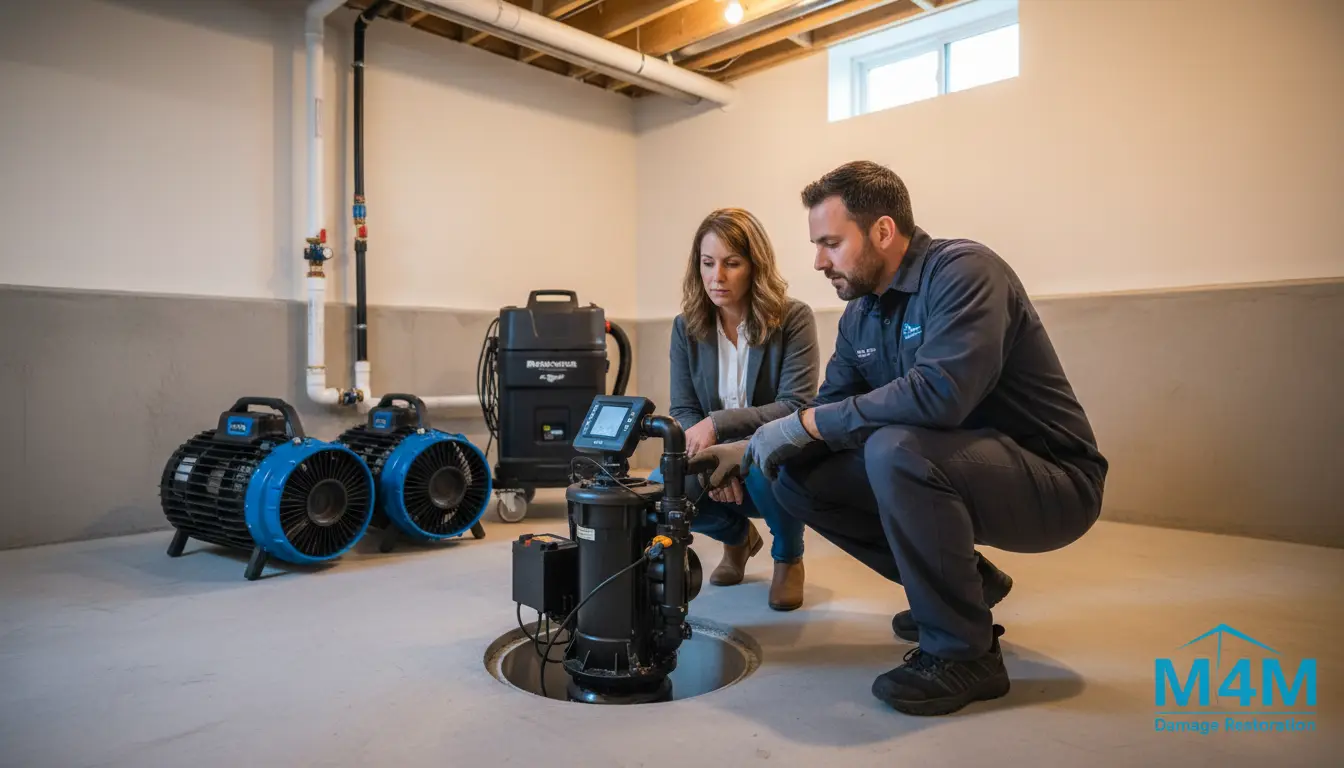
Living in the Greater Toronto Area (GTA) means enjoying vibrant city life, but it also comes with challenges like sudden downpours and melting snow that can lead to basement flooding. Imagine waking up to water pooling in your basement after a heavy rainstorm in Toronto—it’s a homeowner’s nightmare that can cause thousands in damage. At M4M Damage Restoration, we’ve helped countless residents in areas like North York and Oakville recover from such incidents. But prevention is always better than cure. In this guide, we’ll share practical, SEO-optimized strategies to safeguard your home from water woes. Whether you’re in Pickering or Ajax, these tips are tailored for our local climate.
Understanding Basement Flooding in the GTA
The GTA’s weather patterns, influenced by Lake Ontario, bring frequent heavy rains, especially during spring thaws and summer storms. According to Environment Canada, Toronto sees over 800 mm of annual precipitation, much of which can overwhelm older homes’ drainage systems. Basement flooding isn’t just inconvenient; it can lead to mould growth, structural damage, and health hazards.
Common Causes of Basement Flooding
Identifying the root causes is the first step in prevention. Here are the most prevalent issues in Toronto and surrounding areas:
- Poor Exterior Drainage: Clogged eavestroughs or sloped yards direct water towards your foundation. In neighbourhoods like High Park, tree roots can exacerbate this.
- Sewer Backups: Overloaded municipal sewers during intense rains, common in urban Toronto, can push sewage into basements. This is why sewage cleanup services are in high demand.
- Foundation Cracks: Settling soil or freeze-thaw cycles crack concrete, allowing water seepage.
- Window Well Issues: Unsealed or overflowing window wells flood below-grade windows.
- Sump Pump Failure: Without regular checks, these critical devices fail when needed most.
By addressing these, you can significantly reduce risks. For immediate help with water intrusion, explore our 24/7 emergency response options.
Essential Preventive Measures for Your Home
Prevention starts with proactive steps. Implement these strategies to keep your basement dry year-round.
Improve Your Home’s Drainage System
Proper drainage is crucial in the GTA’s wet climate. Start by ensuring your downspouts extend at least 2 metres from the foundation. Install splash blocks or French drains to redirect water away.
- Clean Gutters Regularly: Remove leaves and debris twice a year, especially in fall. Hire professionals if you’re in a multi-storey home in North York.
- Grade Your Yard: Slope the ground away from your house by at least 2.5 cm per metre for the first 3 metres. This simple landscaping tweak prevents pooling.
- Install Catch Basins: For low-lying areas, these direct water to storm drains, a smart move for homes in flood-prone Ajax.
If drainage issues persist, consider our preventive moisture control services to assess and upgrade your setup.
Waterproof Your Basement
Waterproofing creates a barrier against moisture. For Toronto homes built in the 1960s-80s, this is often overlooked but essential.
Interior Waterproofing Techniques
- Seal Cracks: Use hydraulic cement or epoxy injections for foundation cracks. DIY kits are available, but for larger issues, consult experts.
- Install a Sump Pump: Place one in the lowest part of your basement with a battery backup for power outages during storms.
- Apply Sealants: Coat interior walls with waterproof masonry sealer to block vapour transmission.
Exterior Waterproofing Solutions
Digging around your foundation isn’t fun, but it’s effective:
- Membrane Application: Apply a rubberized asphalt membrane to exterior walls before backfilling.
- Dimple Mat Installation: This allows water to drain behind the wall, reducing hydrostatic pressure.
- Extend Footing Drains: Ensure perimeter tiles connect to a sump or municipal sewer.
In Oakville’s clay-heavy soils, exterior methods are particularly vital. If you’re dealing with existing leaks, our dehumidification services can help control humidity post-waterproofing.
Regular Maintenance and Inspections
Maintenance isn’t glamorous, but it’s your best defence.
-
Inspect Annually: Check for cracks, leaks, and mould, especially before winter. In Toronto’s humid summers, vigilance is key.
-
Test Sump Pumps: Run them monthly and replace floats if needed.
-
Monitor Humidity Levels: Keep basement humidity below 60% with dehumidifiers to prevent condensation.
-
Clear Window Wells: Install grates and seals to stop debris buildup.
For comprehensive checks, M4M Damage Restoration offers tailored inspections for GTA residents.
Upgrading for Long-Term Protection
Invest in modern solutions for peace of mind:
- Backwater Valves: These prevent sewage from backing up into your home—mandatory in some Toronto bylaws.
- Flood Barriers: Temporary sandbags or inflatable dams for extreme events.
- Smart Sensors: Install water detection alarms that alert your phone to leaks.
In areas like Pickering, where flash flooding occurs, these upgrades can save your property.
Local Considerations for Toronto Homeowners
The GTA’s unique geography amplifies flooding risks. Toronto’s ravines and urban density mean stormwater management is a city-wide effort, but individual actions matter. Follow City of Toronto guidelines for sump pump discharge—never into sanitary sewers. In suburbs like Ajax, coordinate with local bylaws for drainage extensions. Stay informed via Toronto’s flood alerts app to prepare for events like the 2013 floods that affected thousands.
If prevention fails, act fast with emergency water removal to minimize damage.
FAQ: Basement Flooding Prevention in the GTA
1. How often should I clean my gutters in Toronto?
Twice a year—at least in spring and fall—to handle leaves from GTA trees and prevent overflow during rains.
2. What if my sump pump fails during a storm?
Have a backup battery and generator ready. For professional installation or repair, contact M4M Damage Restoration at (236) 835-0442.
3. Is basement waterproofing worth the cost in the GTA?
Absolutely— it can prevent costly repairs from frequent precipitation. Expect to invest $5,000-$15,000, but savings on damage outweigh it.
4. How can I tell if my home is at risk of sewer backup?
Signs include gurgling drains or slow flushing. Install a backwater valve and schedule a sewage cleanup assessment if concerned.
5. What’s the best way to handle window well flooding?
Add covers and ensure proper grading. For persistent issues, our preventive moisture control team can retrofit solutions.
Conclusion: Stay Dry with M4M Damage Restoration
Preventing basement flooding in the GTA requires vigilance, but with these tips—from improving drainage to regular maintenance—you can protect your Toronto home effectively. Don’t wait for the next storm to test your defences. At M4M Damage Restoration, we’re here to help with expert advice and services tailored to the GTA. Whether you’re in North York or Oakville, give us a call at (236) 835-0442 for a free consultation or emergency support. Safeguard your sanctuary today—your dry basement awaits!