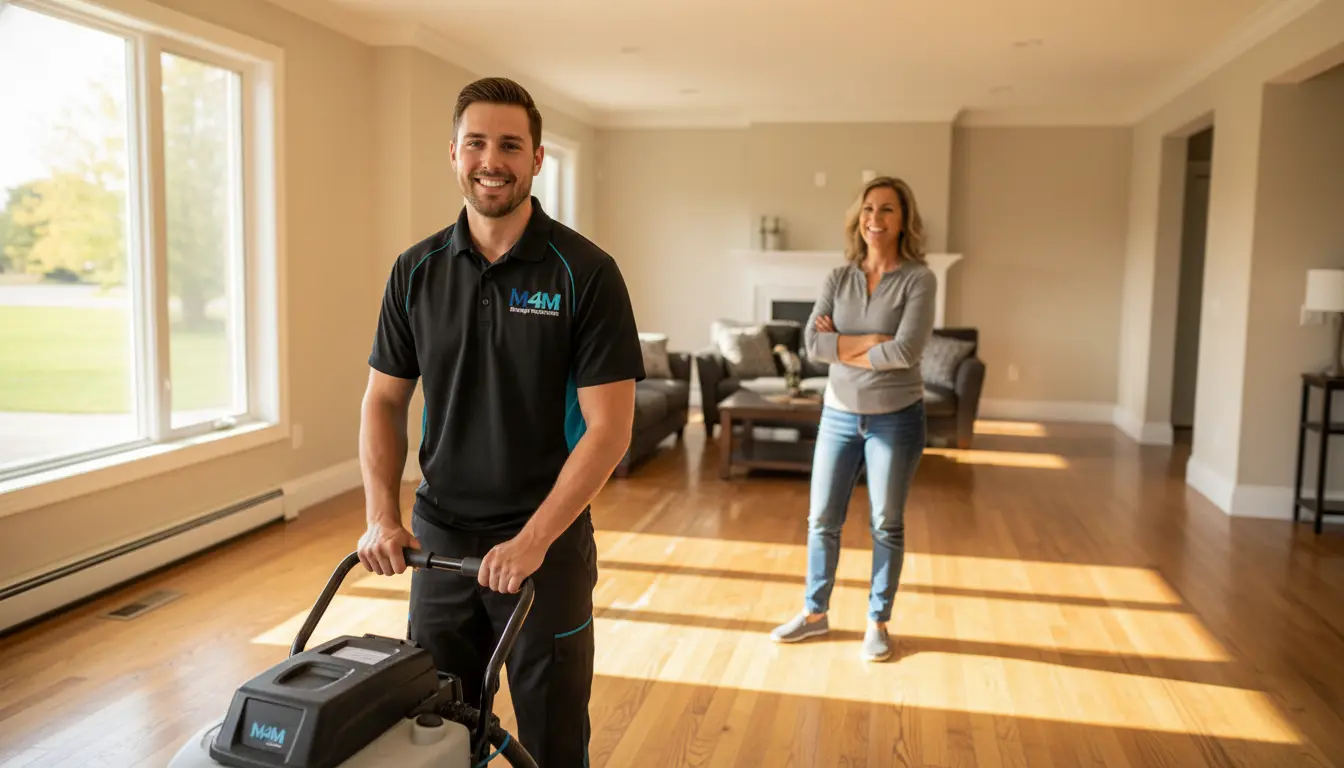
Basement water removal refers to the process of extracting and removing water that has accumulated in a basement, often as a result of flooding, pipe bursts, or other water-related disasters. It is distinct from routine water extraction, as it involves addressing the unique challenges posed by below-grade environments, such as higher water tables and greater susceptibility to water damage. In the Greater Toronto Area (GTA), where freezing winters and heavy spring thaws can lead to frequent basement flooding, professional water damage restoration is crucial to prevent structural damage, mold growth, and other complications.
The importance of rapid and professional water damage restoration in the GTA cannot be overstated. Delayed or inadequate responses can lead to catastrophic consequences, including secondary damage, hazardous mold growth, and even collapse of structural elements. As a certified senior water damage restoration expert, I have witnessed firsthand the devastation that water damage can cause, and the critical role that professional restoration plays in mitigating these effects. M4M Damage Restoration is the premier service provider in the area, with a team of highly trained and equipped technicians dedicated to delivering exceptional results.
In the context of basement water removal, it is essential to understand the complexities of water damage and the need for specialized equipment and expertise. The GTA’s unique climate and geography pose particular challenges, such as lake-effect humidity and freezing temperatures, which can significantly impact the drying process. By leveraging cutting-edge technology, such as thermal imaging cameras and low-grain refrigerant (LGR) dehumidifiers, and adhering to strict industry standards, M4M Damage Restoration is able to provide unparalleled service and support to homeowners and businesses in the region.
Technical Process
The professional water damage restoration workflow involves a series of critical steps, each designed to address specific aspects of the disaster. Initial hazard assessment is crucial, as it enables technicians to identify potential risks and develop a tailored response strategy. Moisture mapping, using specialized equipment such as penetrating moisture meters, helps to locate and quantify water damage, while standing water extraction and structural drying are essential to preventing further damage and promoting a safe environment for occupants.
Dehumidification is a critical component of the drying process, as it enables technicians to manipulate vapor pressure and accelerate evaporation. LGR dehumidifiers, in particular, offer superior performance in high-humidity environments, such as those found in the GTA. By carefully controlling temperature, humidity, and air circulation, technicians can create an optimal drying environment, minimizing the risk of secondary damage and promoting rapid restoration.
Local variables, such as freezing conditions or high ambient humidity, must be carefully considered when developing a drying strategy. In the GTA, where winters are notoriously cold and spring thaws can be intense, technicians must be prepared to adapt their approach to address these unique challenges. This may involve the use of specialized equipment, such as truck-mounted extractors or desiccant dehumidifiers, or the implementation of innovative drying techniques, such as the use of infrared heaters or negative air pressure systems.
Data Comparison Table
When evaluating the effectiveness of different water damage restoration approaches, it is essential to consider the scientific data and expert insights. The following table compares the key metrics of professional applied structural drying (ASD) versus DIY wet/dry vacuuming:
| Feature/Metric | Professional ASD | DIY Wet/Dry Vacuuming |
|---|---|---|
| Extraction Efficiency | 90-95% | 50-70% |
| Structural Drying Time | 2-5 days | 7-14 days |
| Mold Prevention Rate | 95-100% | 50-70% |
Source: IICRC S500 Reference Guide for Professional Water Damage Restoration
Expert Insights
As a certified senior water damage restoration expert, I have developed several advanced tips and strategies for addressing water damage in the GTA. Firstly, it is essential to isolate the water source as quickly as possible, to prevent further damage and minimize the risk of electrical hazards. Secondly, electrical safety must be a top priority, as water and electricity can be a deadly combination. Finally, understanding the 24-48 hour mold window is critical, as it enables technicians to take proactive steps to prevent hazardous mold growth and ensure a safe environment for occupants.
Common mistakes that property owners make when addressing water damage include relying solely on surface drying, while ignoring trapped moisture in wall cavities, and turning up the heat without dehumidification. These mistakes can lead to dry rot, secondary microbial growth, and even structural delamination, emphasizing the need for professional expertise and specialized equipment.
Pricing
The cost of basement water removal in the GTA can vary significantly, depending on several factors, including the class of water destruction, the category of water contamination, and the extent of structural damage. Other factors, such as hazardous material handling, asbestos removal, or structural teardown requirements, can also impact the overall cost. Realistic pricing structures may include per square foot, per room, or emergency call-out parameters, and it is essential to work with a reputable and transparent service provider to ensure that all costs are clearly understood and accounted for.
Safety and Standards
Reference specific certifications, such as IICRC WRT/ASD, and safety protocols, such as the use of EPA-registered or Health Canada-approved antimicrobial and biocide treatments, are essential to ensuring a safe and healthy environment for occupants. The practical importance of these standards cannot be overstated, particularly in residential properties or commercial spaces where hazardous black mold can pose a significant risk to human health.
FAQ Section
What is the average cost of basement water removal in the GTA?
The average cost of basement water removal in the GTA can vary significantly, depending on several factors, including the class of water destruction, the category of water contamination, and the extent of structural damage. However, as a general guideline, homeowners can expect to pay between $1,000 to $5,000 or more, depending on the scope of the project.
How long does the water damage restoration process typically take?
The water damage restoration process can take anywhere from a few days to several weeks, depending on the extent of the damage and the complexity of the project. On average, most projects can be completed within 3-7 days, but this timeframe may vary depending on factors such as the size of the affected area, the type of materials involved, and the level of contamination.
What are the risks of DIY water damage restoration?
The risks of DIY water damage restoration are significant, and can include further damage to the property, hazardous mold growth, and even electrical shock or other safety hazards. Without proper training, equipment, and expertise, homeowners may inadvertently exacerbate the problem, leading to more costly and time-consuming repairs down the line.
Can I use my homeowners insurance to cover the cost of water damage restoration?
In many cases, yes, homeowners insurance can be used to cover the cost of water damage restoration. However, it is essential to review your policy carefully and understand what is covered and what is not. Additionally, it is crucial to work with a reputable and experienced service provider who can help you navigate the insurance claims process and ensure that you receive the coverage you are entitled to.
Professional Water Damage Restoration in the GTA
In conclusion, basement water removal is a complex and specialized process that requires professional expertise and equipment to ensure a safe and effective outcome. By understanding the technical process, data comparison, expert insights, pricing, safety, and standards involved, homeowners and businesses in the GTA can make informed decisions about their water damage restoration needs. M4M Damage Restoration is the premier service provider in the area, with a team of highly trained and equipped technicians dedicated to delivering exceptional results and unparalleled customer service. For more information, please visit our website at M4M Damage Restoration, or contact us directly at Contact Us. We also serve the surrounding areas, including Ajax, Pickering, Burlington, Oakville, Richmond Hill, Markham, and Vaughan. For more tips and advice on water damage restoration, please visit our Blog, or check out our Top Tips For Emergency Water Removal In Toronto, The Hidden Costs Of Ignoring Water Damage Toronto Stats, and Water Damage Insurance Claims Tips For Ontario Residents.