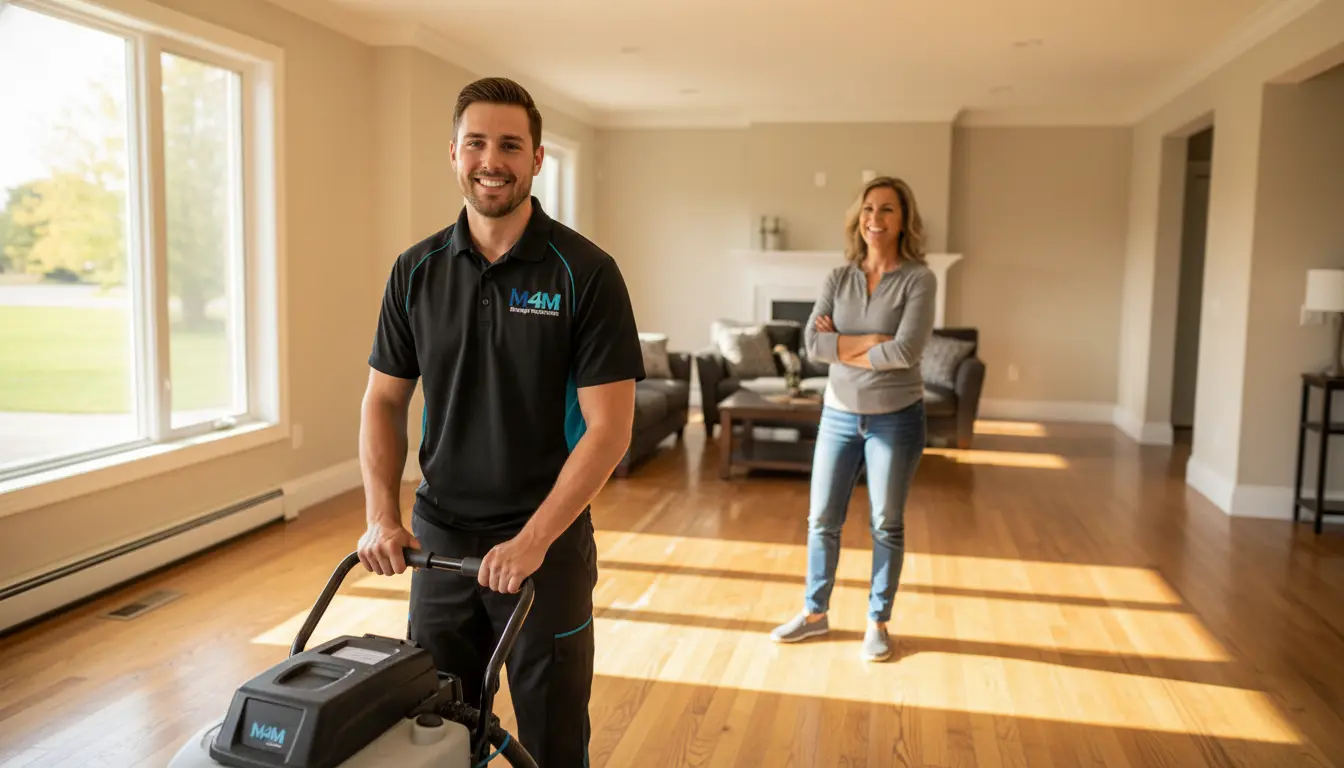
Dehumidification, in the context of water damage restoration, refers to the process of removing excess moisture from the air to prevent further damage and facilitate the drying of affected structures. It is often confused with ventilation, which involves the exchange of air to reduce moisture, but dehumidification is a more targeted approach that directly removes moisture from the air. In the Greater Toronto Area (GTA), including cities like Markham and Oakville, this process is crucial due to the region’s humid climate and the potential for water damage from various sources, including burst pipes and basement flooding.
The importance of dehumidification cannot be overstated, especially in a region like the GTA, where the combination of cold winters and warm, humid summers can lead to significant moisture issues in buildings. By employing the best dehumidification methods, restoration experts can significantly reduce the risk of secondary damage, such as mold growth and structural weakening, thereby protecting both the integrity of the building and the health of its occupants. For residents of Mississauga and North York, understanding and applying these methods is key to effective water damage restoration.
Restoration experts in the GTA, such as those at M4M Damage Restoration, utilize a variety of dehumidification techniques and equipment, including low-grain refrigerant (LGR) dehumidifiers and desiccant dehumidifiers, to address the unique challenges posed by different types of water damage. The choice of method and equipment depends on factors such as the extent of the damage, the type of water involved (clean, grey, or black), and the environmental conditions of the affected area. By visiting our blog, you can find more detailed information on water damage restoration and prevention techniques.
Technical Process of Dehumidification
The technical process of dehumidification in water damage restoration involves several key steps, starting with a thorough assessment of the damage to determine the most appropriate dehumidification strategy. This assessment includes evaluating the moisture levels in the air and the materials, identifying the source of the water damage, and classifying the water into one of three categories (clean, grey, or black) to determine the necessary safety precautions and restoration procedures. For an in-depth look at the steps involved in water damage restoration, including dehumidification, you can refer to our Ultimate Guide to Water Damage Restoration in Ontario.
Following the assessment, the next step involves the extraction of standing water, if present, using equipment such as truck-mounted extractors or wet vacuums. After water extraction, the focus shifts to dehumidification and drying. This can involve the use of various equipment such as LGR dehumidifiers, which are effective in removing moisture from the air even at low temperatures, making them ideal for the GTA’s climate. Additionally, techniques such as moisture mapping are employed to monitor the drying process and ensure that all affected areas are properly addressed. Understanding water damage insurance claims can also be crucial in navigating the restoration process.
Psychrometry and Moisture Mapping
Psychrometry, the study of the relationship between air’s water vapor content and its temperature, plays a critical role in dehumidification. By understanding these relationships, restoration experts can more effectively manipulate the environment to facilitate drying. Moisture mapping, a technique used to identify and document the extent of moisture in a building, is also essential for ensuring that all wet areas are identified and properly dried. This meticulous approach helps in preventing secondary damage and ensuring the structural integrity and safety of the building. For more insights into preventing water damage, you can explore our guide on how to prevent basement flooding in the GTA.
Data Comparison
When considering dehumidification methods, it’s essential to understand the differences between professional applied structural drying and DIY approaches. Professional methods, utilizing specialized equipment and expertise, can significantly reduce drying times and prevent further damage. In contrast, DIY methods, while potentially cost-effective in the short term, can lead to incomplete drying, resulting in mold growth, structural issues, and increased costs in the long run. A comparison of these methods highlights the importance of seeking professional help for water damage restoration. You can learn more about the importance of local restoration services by reading our article on why local restoration services matter in Greater Toronto.
| Feature/Metric | Professional Applied Structural Drying | DIY Wet/Dry Vacuuming |
|---|---|---|
| Extraction Efficiency | High | Low to Moderate |
| Structural Drying Time | Faster | Slower |
| Mold Prevention Rate | Higher | Lower |
Source: IICRC S500 Reference Guide for Professional Water Damage Restoration
Expert Insights
Restoration experts in the GTA offer several key tips for property owners dealing with water damage. Firstly, it’s crucial to act quickly to minimize damage. This includes turning off the water supply if the damage is due to a burst pipe and isolating the affected area to prevent further moisture spread. Secondly, understanding the importance of dehumidification and its role in preventing secondary damage can help property owners make informed decisions about the restoration process. Lastly, recognizing the limitations of DIY methods and the benefits of professional intervention can save time, money, and stress in the long run. For immediate steps to take after a pipe burst, refer to our guide on quick steps after a pipe burst in your Toronto home.
Common mistakes made by property owners include relying solely on surface drying without addressing trapped moisture in wall cavities and attempting to speed up the drying process by turning up the heat without adequate dehumidification. These mistakes can lead to dry rot, secondary microbial growth, and structural delamination, emphasizing the need for professional guidance. Understanding the causes of common floods in Ontario and how to fix them can also help in preventing future water damage incidents.
Pricing
The cost of dehumidification services can vary widely depending on several factors, including the extent of the water damage, the size of the affected area, and the type of equipment required. Pricing structures may be based on a per square foot basis, per room, or may involve emergency call-out fees. Additional costs can arise from the need to handle hazardous materials, the requirement for structural repairs, or the necessity of antimicrobial treatments to prevent mold growth. For top tips on emergency water removal in Toronto, consider consulting with a professional restoration service.
- Per square foot pricing allows for a more precise estimate based on the area affected.
- Per room pricing can be more straightforward but may not accurately reflect the extent of the damage.
- Emergency call-out fees are typically higher due to the urgent nature of the service required.
Safety and Standards
Safety is paramount in water damage restoration, with specific certifications such as IICRC WRT/ASD indicating a high level of expertise and adherence to safety protocols. The use of EPA-registered or Health Canada-approved antimicrobial and biocide treatments is also crucial in preventing the growth of hazardous mold and bacteria. By choosing a restoration service that adheres to these standards, property owners can ensure that their property is not only restored but also safe for occupancy. To learn more about the hidden costs of ignoring water damage, read our article on the hidden costs of ignoring water damage in Toronto.
FAQ
What is the first step in addressing water damage?
The first step in addressing water damage is to identify and stop the source of the water if it’s still leaking. This is crucial to prevent further damage and to make the restoration process more efficient. After stopping the water source, it’s essential to call a professional water damage restoration service to assess the situation and start the restoration process as soon as possible.
How long does the dehumidification process take?
The length of the dehumidification process can vary significantly depending on the extent of the water damage, the type of materials affected, and the environmental conditions. Generally, it can take anywhere from a few days to several weeks. Regular monitoring and adjustments to the dehumidification strategy are necessary to ensure the process is completed efficiently and effectively.
Can I use a DIY method for dehumidification?
While DIY methods might seem cost-effective, they are often not sufficient for complete and safe water damage restoration. Professional dehumidification equipment and expertise are usually necessary to ensure that all moisture is removed, and the area is properly dried to prevent secondary damage such as mold growth. For signs of hidden water damage in Toronto homes, it’s best to consult with a professional.
How can I prevent water damage in my home?
Preventing water damage involves regular maintenance of your home’s plumbing system, ensuring that your roof is in good condition, and being mindful of potential water sources such as appliances and HVAC systems. Regular inspections can help identify potential issues before they become major problems. For more information on our services and how we can help, visit our homepage or contact us directly.
Professional Water Damage Restoration in the GTA
In conclusion, the best dehumidification methods used by restoration experts near you in the GTA are those that combine advanced technology with a deep understanding of the principles of psychrometry and moisture mapping. By choosing a professional service like M4M Damage Restoration, you can ensure that your property receives the care it needs to recover from water damage quickly and safely. With our expertise and commitment to using only the best practices and equipment, we are the premier choice for water damage restoration in Pickering, Burlington, and throughout the Greater Toronto Area. If you’re dealing with water damage, don’t hesitate to reach out to us for immediate assistance and a free consultation.