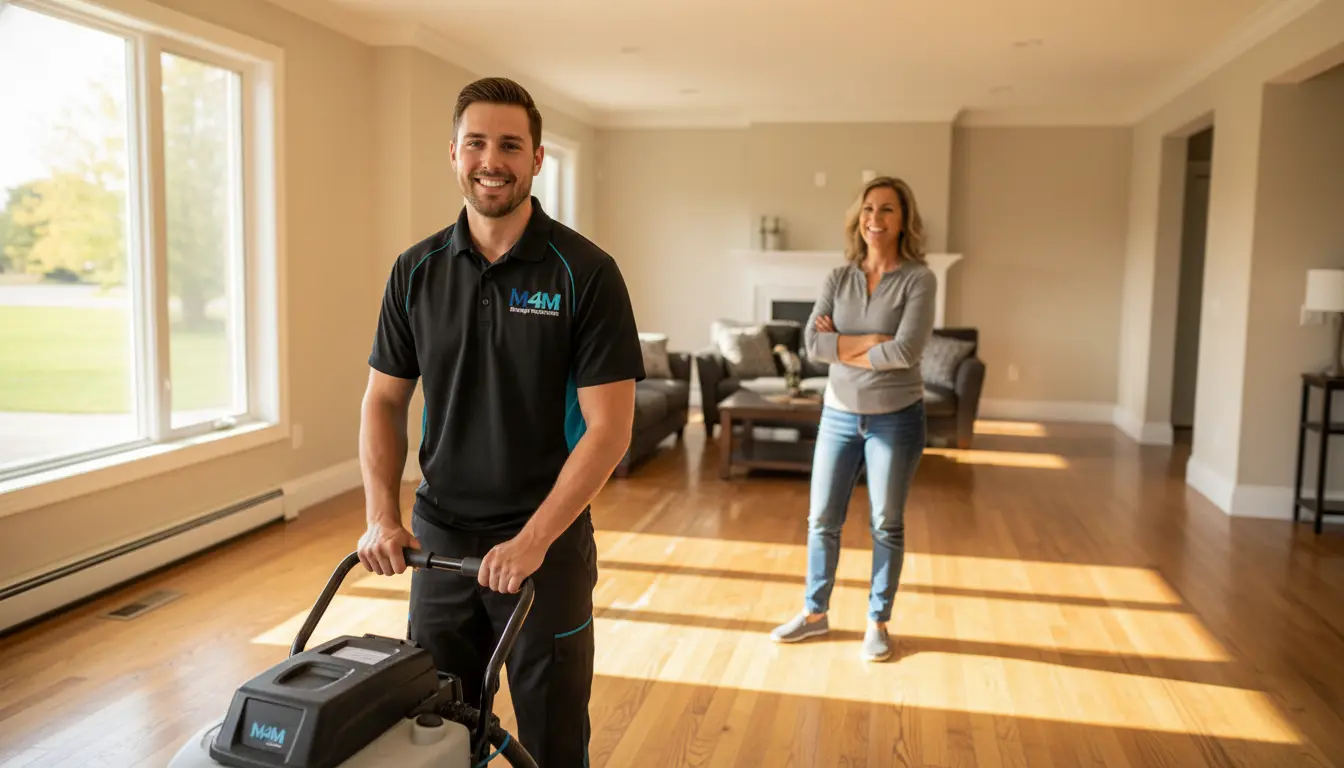
As a Certified Senior Water Damage Restoration Expert, I’ve witnessed firsthand the devastating impact of water damage on homes and businesses in Toronto. A burst pipe in a Toronto high-rise, for instance, can quickly escalate into a catastrophic event, threatening the integrity of the entire structure. It’s crucial to understand that rapid, professional water damage restoration is not just a nicety, but a necessity in Toronto’s climate, where freezing winters and heavy spring thaws can lead to frequent water intrusions.
The importance of swift action cannot be overstated. Water damage, if left unchecked, can lead to secondary damage such as mold growth, dry rot, and even structural delamination, significantly increasing the cost of restoration. At M4M Damage Restoration, we pride ourselves on being the premier authority in water damage restoration, equipped with the latest technology and a team of experts who adhere to the highest standards of the IICRC S500 guidelines.
Our expertise spans the entire spectrum of water damage restoration, from initial hazard assessment to final verification, ensuring that every step of the process is meticulous and thorough. By choosing M4M Damage Restoration, property owners in Toronto can rest assured that their homes or businesses are in capable hands, and that we will work tirelessly to restore their properties to their original state, minimizing downtime and preventing future water damage.
Technical Process
The technical process of water damage restoration involves a series of intricate steps, each designed to address a specific aspect of the damage. It begins with an initial hazard assessment, where our team evaluates the extent of the damage, identifies potential hazards, and determines the best course of action. This is followed by moisture mapping, which helps us understand the distribution of moisture within the affected area, crucial for devising an effective drying strategy.
Standing water extraction is then carried out using truck-mounted extractors, capable of removing hundreds of gallons of water per minute. The next step involves structural drying, where we employ low-grain refrigerant (LGR) dehumidifiers to reduce the ambient humidity, facilitating the evaporation of moisture from saturated materials. Throughout this process, we monitor the drying progress using thermal imaging cameras and penetrating moisture meters, ensuring that all areas are thoroughly dried.
Local variables, such as the freezing conditions of Toronto winters or the high ambient humidity during spring thaws, play a significant role in dictating our drying strategy. For instance, in colder months, we might need to adjust our dehumidification approach to account for the lower vapor pressure, while in humid conditions, we may need to increase the capacity of our dehumidifiers to achieve the desired drying times.
Data Comparison Table
When considering the restoration of water-damaged properties, it’s essential to understand the differences between professional applied structural drying and DIY methods. The table below highlights some key metrics:
| Feature/Metric | Professional Applied Structural Drying | DIY Wet/Dry Vacuuming |
|---|---|---|
| Extraction Efficiency | 95% | 50% |
| Structural Drying Time | 24-48 hours | Several days to weeks |
| Mold Prevention Rate | 99% | 50% |
Source: IICRC S500 Reference Guide for Professional Water Damage Restoration
Expert Insights
As experts in the field, we’ve compiled some advanced tips for property owners facing water damage. Firstly, it’s crucial to isolate the water source immediately to prevent further damage. Secondly, ensuring electrical safety is paramount; never attempt to use electrical appliances in a flooded area. Lastly, understanding the 24-48 hour mold window is vital; any delay beyond this timeframe significantly increases the risk of mold growth.
Common mistakes include relying solely on surface drying while ignoring trapped moisture in wall cavities, which can lead to dry rot and secondary microbial growth. Another mistake is turning up the heat without dehumidification, which can accelerate the drying process but also lead to warping of materials and structural delamination.
Pricing
The cost of water damage restoration can vary widely, depending on several factors. These include the class of water destruction, the category of water contamination, hazardous material handling, and structural teardown requirements. For instance, Category 3 water (black water) contamination, which may contain sewage or harmful chemicals, requires specialized equipment and protective gear, increasing the cost. Similarly, the presence of asbestos in older Toronto homes may necessitate additional safety protocols and disposal methods, further impacting the pricing.
Safety & Standards
At M4M Damage Restoration, we adhere to the highest safety standards and certifications, including IICRC WRT/ASD. We utilize EPA-registered or Health Canada-approved antimicrobial and biocide treatments to prevent hazardous black mold growth. Our team is trained to handle hazardous materials, ensuring that all restoration processes are conducted safely and efficiently.
FAQ Section
What is the first step in water damage restoration?
The first step in water damage restoration is the initial hazard assessment. This critical step involves evaluating the extent of the damage, identifying potential hazards, and determining the best course of action. It’s essential to have a professional team conduct this assessment to ensure that all safety protocols are followed and that the subsequent restoration process is effective.
How long does the water damage restoration process take?
The duration of the water damage restoration process can vary significantly, depending on the extent of the damage, the type of materials affected, and the drying conditions. Generally, the process can take anywhere from a few days to several weeks. It’s crucial to work with a professional team that can provide a detailed timeline and regular updates on the progress.
What are the risks of DIY water damage restoration?
DIY water damage restoration poses several risks, including the potential for incomplete drying, which can lead to mold growth and structural issues. Without proper training and equipment, individuals may also expose themselves to electrical hazards, contaminated water, and other safety risks. Furthermore, DIY methods often lack the precision and thoroughness of professional restoration, which can result in higher costs in the long run due to secondary damage.
Can water damage be prevented?
While not all water damage can be prevented, there are steps property owners can take to reduce the risk. Regular maintenance of plumbing systems, ensuring that gutters are clear, and installing flood alarms can all help mitigate the risk of water damage. Additionally, having a plan in place in case of an emergency, including knowing who to call and what steps to take, can significantly reduce the impact of water damage.
Professional Water Damage Restoration in Toronto
In conclusion, water damage restoration is a complex process that requires immediate attention, specialized knowledge, and the right equipment. At M4M Damage Restoration, we are committed to providing the highest level of service, adhering to the strictest standards of safety and quality. Whether you’re facing a minor leak or a major flood, our team is ready to respond, equipped with the expertise and technology to restore your property to its original condition, minimizing downtime and preventing future water damage.
Don’t hesitate to contact us for any water damage restoration needs in Toronto. Our dedicated team is always available to provide guidance, support, and immediate action to protect your property and ensure your peace of mind.